
This post may contain affiliate links. Please read my disclosure policy.
We’ve gotten used to certain things having that extra added smell. We expect our personal care items, in particular, to smell pretty. Soaps are flowery, moisturizers are fruity… and the list goes on. Items for our houses and apartments are often scented, too. We feel the pressure to maintain the perfect aroma for ourselves and our homes because that’s what we’ve been taught to do — and many of the mainstream products that are most readily available in stores reflect that.
But here’s the thing: added fragrance comes with a slew of health risks, and there aren’t nearly enough people talking about it. Some people go as far as to call fragrance “the new secondhand smoke,” since so many of us are exposed to it even if we don’t know it. That’s pretty serious stuff.
I hate to be the bearer of bad news on this one, but this is need-to-know information, and a topic I feel so strongly about.
Let’s talk about the basics.
Fragrance — or “parfum,” as its noted on many product labels — is a term that can capture many, many ingredients, many of which are toxins and irritants. It may include any combination of more than five thousand stock chemicals, none of which have been tested for safety. Tests of fragrance ingredients have revealed that the average concoction is made up of a whopping fourteen hidden compounds. And guess what? You’ll never know what those compounds are.
Nearly three-quarters of products with “fragrance” contain phthalates. These are chemicals that keep the scent long-lasting, but they can also disrupt the endocrine system, damage the reproductive system, and cause birth defects and respiratory problems. Additionally, phthalates have been linked with increased risk of cancer, diabetes, and obesity. Why would we continue to use this on ourselves and our families? When we know better, we can do better!
Other common ingredients found in fragrance include acetone, ethanol, benzaldehyde, formaldehyde, limonene, methylene chloride, camphor, ethyl acetate, linalool, and benzyl alcohol, all of which can cause negative health effects. Many of these chemicals are derived from petrochemicals. No thanks!
As a rule, if you can’t pronounce it, you probably want to stay away from it. Synthetic chemicals in fragrances have been linked to cancer, birth defects, nervous system disorders, asthma, and allergies. This is real, you guys.
No one is running the show.
The term “fragrance” is completely unregulated by the FDA. The agency uses it as a catch-all term, and as a result, U.S. law does not require companies and brands to be transparent with consumers, manufacturers, or even the FDA itself about the specific ingredients (chemicals!) that are really included when “fragrance” or “parfum” is on the label. Even products that causes bad reactions — like a diaper lotion that triggers a bad reaction for babies — can stay on the market without a report to the FDA.
And since fragrances are marked as trade secrets, companies aren’t required to share all of the components that make up their fragrances… no matter how damaging they can be.
2019 FDA Transcript (watch the full hearing here):
Q: Can the FDA require a review of baby lotion for safety before it comes to market?
A: No, it cannot.
Q: Can the FDA require the manufacturer not use toxic ingredients, for example, formaldehyde, in its baby lotion?
A: No?
Q: Is the manufacturer required to register with the FDA before selling its baby lotion?
A: No.
Q: Once the baby lotion comes to market can the FDA require safety information about the lotion?
A: No.
Q: If the baby lotion has caused bad reactions in the babies, can the FDA require a recall?
A: No.
Q: If the manufacturer is aware of the babies’ bad reactions, would the manufacturer be required to report that to the FDA?
A: No.
It’s a huge mess.
Keep in mind that artificial/synthetic fragrances are regularly found in a crazy long list of the things you use and interact with on a daily basis, which means that this lack of regulation is affecting us practically all the time. Even products that bill themselves as “natural” often include these dangerous chemicals. Mysterious “fragrance” is a common ingredient in…
- Conventional cleaning products
- Personal care products (yes, even those that call themselves “natural!”)
- Cosmetics (again — even the “natural” ones!)
- Shampoos
- Perfumes
- Diaper Creams
- Candles
- Air fresheners
- Laundry detergents
- Dryer Sheets
… and the list goes on. Obviously, it’s time to clean house. Literally.
I’m fired up.
(Can you tell?)
Safety testing is not required for conventional personal care products in the U.S. This means that we’re using everything from lotions and soaps to shampoos and hairsprays on our bodies without assurance from a governing body that they’re okay for us to use. We’re using these products on our families, too! That’s to say nothing of candles and laundry detergent and all of the other products we have in our homes. It’s been over 80 years since we have updated the laws surrounding personal care products. It’s time we become informed consumers and vote with our dollars. It’s time we support companies doing it right for our health.
Now that you know more about the dangers of fragrance — and now that you see just how many products are made with it — you might just be feeling fired up, too! And you should be! Products are not tested and we don’t even have access to the details about the ingredients used in them. Even terms like “organic” and “natural” are unregulated. Products that you’re buying for yourself and your loved ones because you think they’re lighter on chemicals can still be full of fragrance.
The bottom line is that the FDA has basically no power to protect Americans from the dangers of fragrances (and plenty of other things) in personal care and home products. The only way to motivate them to change is with our money. Big brands like Unilever are starting to take action toward going fragrance-free, but there is more work to be done.
Saying goodbye to products with synthetic fragrance and investing in safer alternatives is our best bet — and it will keep you and your family healthier, too.
Check out these safer candles.
I may be fired up about fragrance, but I still want my home to smell nice! You’ve requested this info and luckily, I’ve tracked down some safer candle options. Safer candles are made with healthier, non-toxic waxes and natural scents from essential oils and botanicals.
Here are a few safer candle brands that check the boxes:
- Big Dipper Wax Works
- Steady and Flight
- Self Care Company
- Good Light Candles
- Happy Little Flame
- Farm & Sea Candles
- Fontana Candle Co.
- Loil Life Candles
- Woodlot Candles
- Ava Anderson Candles
- Coco by Stone Candles
You can also try something totally different for adding a pretty scent to your home! I love essential oil diffusers as an alternative to candles, or this home spray. Essential oils are, well, essential, and they don’t contain the icky chemicals that come hidden in fragrances. Double check the labels on oils before you buy them to make sure they’re the real deal. Safe essential oils should be labeled as organic, wildcrafted, and extracted without solvents.
Essential oil diffusers and oils:
We’ve made other swaps, too.
Sadly, the problems with fragrance don’t stop there. I’ve made other changes to the home and personal care items I buy to protect myself and my family from the lack of regulation in this industry.
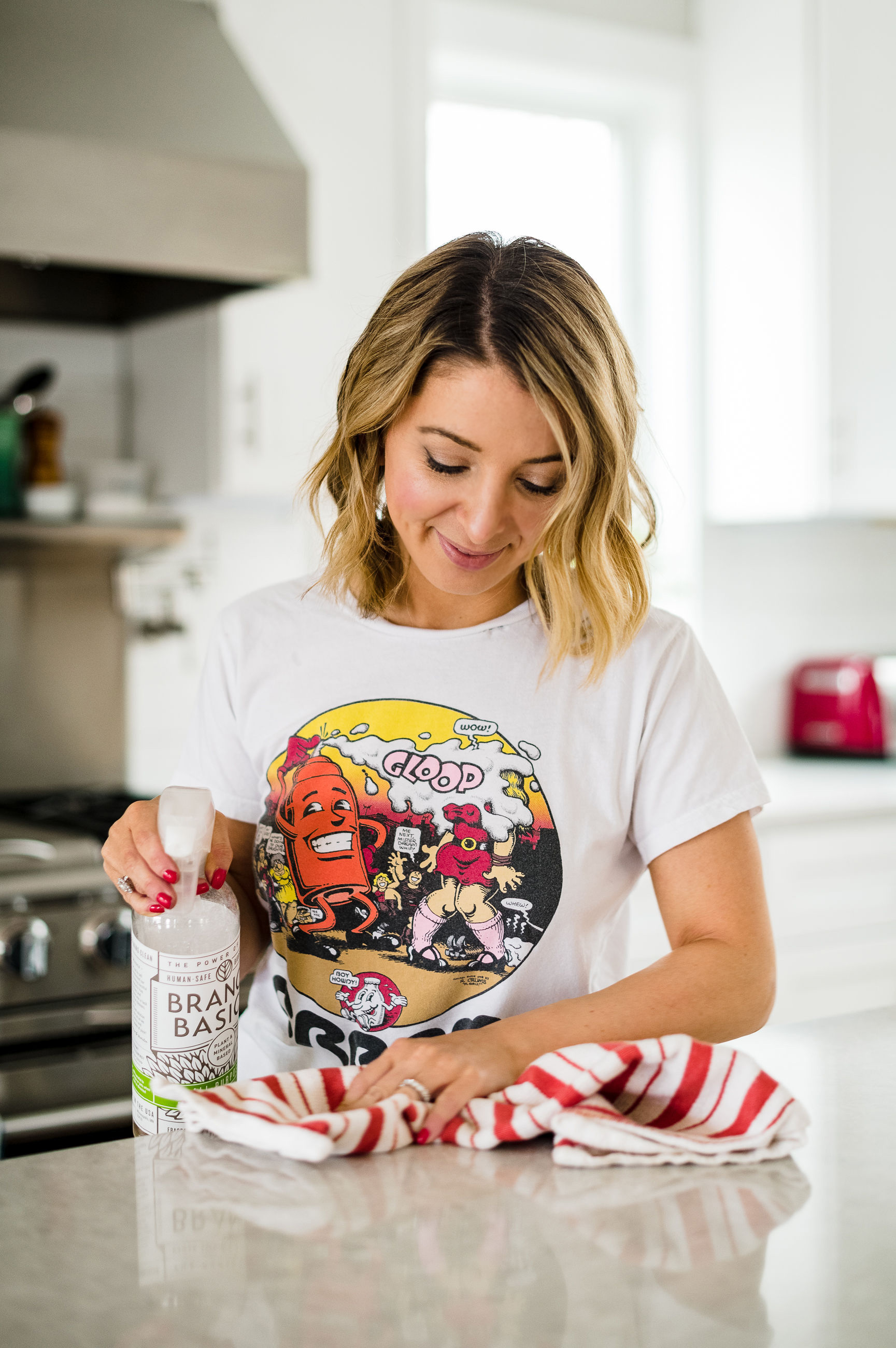
When it comes to personal care and cosmetics, I’m super grateful to companies like Primally Pure and Branch Basics; who I’m proud to work with, for being so transparent and progressive about fragrances in their products.
I’ve done my own research on other swaps, too, especially for products around my home.
Here are some of the changes we’ve made:
- Bath Soaks/Salts
- Body Wash
- Body Polish (LEXI for 10% off) or make your own
- Cleaning Supplies
- Dryer Sheets for Dryer Balls
- Laundry Detergent (want it to have scent? Add 15-20 drops essential oils)
- Sunscreens
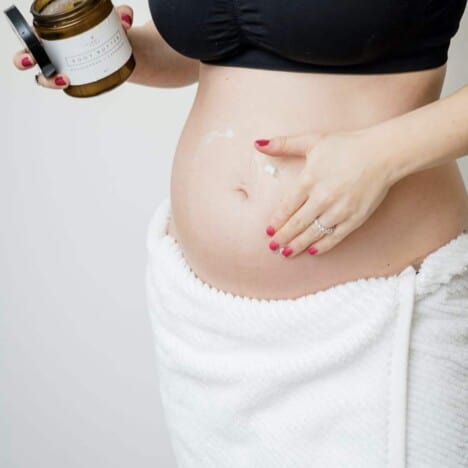
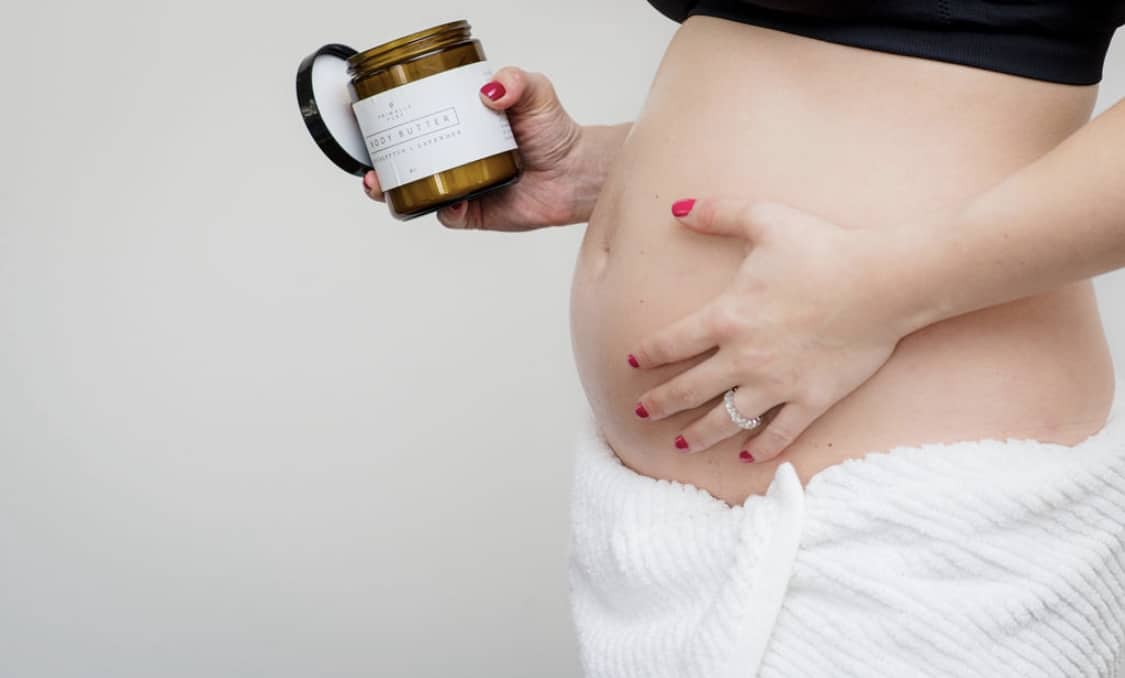
- Lotions (Body Butter and Body Oil): I have this set in my bathrooms & kitchen & use this body butter after my showers & on my belly bump!
- Hand Soap
- Make Up
- Deodorants
- Shampoos: I use this one and this one because I like variety!
- Here are the baby and kid skincare items I plan on using on our baby arriving in June (Primally Pure Baby)!
I’m not perfect, and it’s taken me years to switch over our home to safer as much as possible. It doesn’t have to be all at once! Start with products that you use daily on your body or in your home!
Does this fire you up, too? What swaps are you hoping to make?
Pin it for later:


I am fired up with you! I thought sunscreen was enough. While I believe the sun has it’s part in skin cancer….I believe these products we use everyday could be adding to the risks!
Thank you! Many times I can smell the fragrance on someone’s clothing from the detergent they use and it makes me feel so bad. Going through the cleaning aisle in the grocery store is terrible! I would love for all products to be fragrance free!
Can you check your links for “this or this” under hand soaps? I’m curious what they are. Thanks for this list.