
This post may contain affiliate links. Please read my disclosure policy.
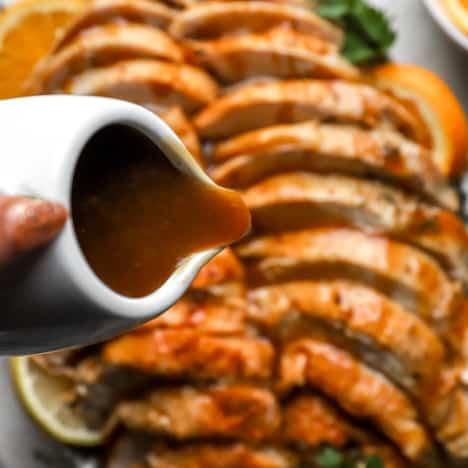
This easy Turkey Gravy is the best way to use your Thanksgiving turkey drippings! It’s rich, silky smooth, naturally gluten-free, and ready in about 15 minutes. Spoon it over your roast turkey, mashed potatoes, and all your favorite holiday sides.

Easy Gluten Free Turkey Gravy from Drippings
Have you ever wondered what to do with all those flavorful juices left at the bottom of the roasting pan? Please don’t pour them out! Those drippings are pure liquid gold, and they’re the secret to the most flavorful homemade gravy you’ll ever have.
This turkey gravy recipe is about as simple as it gets. There’s no flour and no roux to babysit. Just strain the drippings, simmer them with broth, and whisk in a quick arrowroot or cornstarch slurry. It thickens up in minutes, which means it’s ready right around the time your turkey is done resting.
Make it once, and it’ll earn a permanent spot on your holiday menu!
Why You’ll Love This Recipe
- Naturally gluten-free. Arrowroot or cornstarch thickens it beautifully without any wheat flour.
- Just 4 ingredients. Drippings, broth, a thickener, and kosher salt and pepper. That’s it!
- Quick and easy. No roux required, so it comes together in about 15 minutes.
- Silky and lump-free. The slurry method makes smooth gravy practically foolproof.
- Easy to customize. Make it as thick or as thin as your family likes.
- Paleo-friendly option. Use arrowroot flour and a compliant broth.
What is the Difference Between Brown Gravy and Turkey Gravy?
Brown gravy is a general term for gravy made from any meat drippings and stock, like beef, pork, or chicken. Turkey gravy is made specifically with the drippings from a roast turkey. So turkey gravy is really just one delicious version of brown gravy!

Ingredients You’ll Need
You only need a handful of simple ingredients to make this gluten-free turkey gravy, including the drippings from your already roasted turkey! Scroll down to the recipe card for exact measurements. *Scroll to recipe card for all details.
- Turkey Drippings: The flavorful juices and basting liquid left in the bottom of the roasting pan after you roast your turkey. This is where all the rich, savory flavor comes from.
- Broth: Use turkey or chicken broth, whichever you have on hand. Want to make your own? Try my Instant Pot Turkey Stock.
- Arrowroot Flour or Cornstarch: Both are gluten-free thickeners that create a silky, glossy gravy without any wheat flour. Use whichever you prefer.
- Salt and Black Pepper: To taste. Always add these at the very end!
How to Make Turkey Gravy from Drippings
This turkey gravy comes together in just a few minutes while your turkey rests. Here’s how:
- Collect the drippings. Once the turkey is cool enough to handle, pour any juices from the cavity into the roasting pan. Move the turkey to a cutting board and tent it with foil to keep warm. For extra flavor, scrape up any browned bits from the bottom of the pan.
- Strain and skim. Pour the pan drippings through a fine-mesh strainer into a glass measuring cup or bowl. Let the fat rise to the top, then skim off and discard the excess. Reserve ½ cup of drippings for the gravy.
- Simmer. Add the drippings and broth to a medium saucepan and bring to a gentle simmer over medium heat.
- Make the slurry. In a small bowl, whisk the arrowroot or cornstarch with cold water until smooth. Slowly pour it into the simmering gravy, whisking constantly to prevent lumps.
- Thicken. Keep whisking until the gravy thickens, about 2 to 5 minutes for cornstarch. Arrowroot thickens even faster, so remove from the heat as soon as it thickens.
- Season and serve. Taste first, then season with salt and pepper. Serve warm!


Arrowroot vs. Cornstarch: Which Is Best for Gluten-Free Gravy?
Traditional gravy is thickened with all-purpose flour. To keep this recipe gluten-free, we’re using arrowroot flour or cornstarch instead. Both work beautifully, but there are a few small differences:
- Cornstarch is reliable and forgiving. It can handle a few minutes of simmering, and it’s easy to find at any grocery store.
- Arrowroot flour gives gravy a glossy, silky finish and thickens at a lower temperature. It’s also paleo-friendly. Just don’t let it boil for too long, or it can start to thin back out.
Whichever you choose, always mix it with cold water first. Adding the powder straight to hot liquid is a guaranteed way to end up with lumps!
How to Get the Perfect Gravy Thickness
- For thicker gravy: Whisk the remaining tablespoon of arrowroot or cornstarch with a little cold water, then add it gradually until it’s just right.
- For thinner gravy: Whisk in more broth, a little at a time.
- Remember: Gravy thickens as it cools, so aim for slightly thinner than you want it on the table.

Tips for the Best Turkey Gravy
- Don’t skip the browned bits. Those caramelized bits stuck to the roasting pan add so much depth. Scrape them up before you strain!
- Skim the fat. Removing the excess fat keeps your gravy rich but not greasy.
- Not enough drippings? No problem. Just make up the difference with extra turkey or chicken broth.
- Whisk constantly. Pour the slurry in slowly and keep whisking for the smoothest gravy.
- Save the salt for last. Drippings and broth both contain salt, especially if you brined your turkey. Taste before seasoning.
- Keep it warm. Hold the gravy on the lowest heat setting with a lid on until dinner is served. * If using arrowroot, be sure it doesn’t thicken too much.*
What Can I Add to Turkey Gravy for More Flavor?
Thanks to the drippings and broth, this gravy is plenty flavorful on its own! But if you’d like to switch things up, try:
- A sprig of fresh thyme, sage, or rosemary simmered in the gravy (remove before serving)
- A pinch of garlic powder or onion powder
- A splash of coconut aminos for a deeper color and savory flavor
Serving Suggestions
Honestly, this gravy is so good I could eat it straight out of the pan with a spoon. But it’s even better drizzled over a slice of roast turkey with all your favorite holiday side dishes! Here are some of my favorites:
- Roasted Turkey
- Instant Pot Mashed Potatoes
- The Best Gluten Free Stuffing
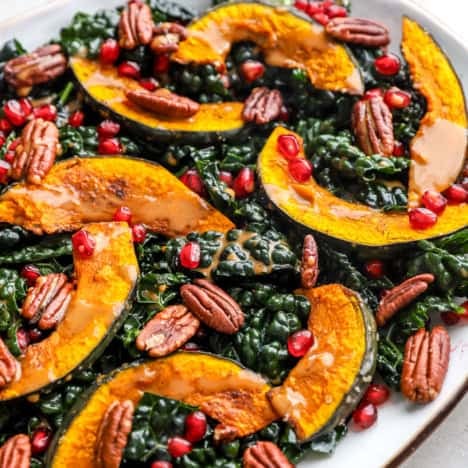
- Roasted Vegetables
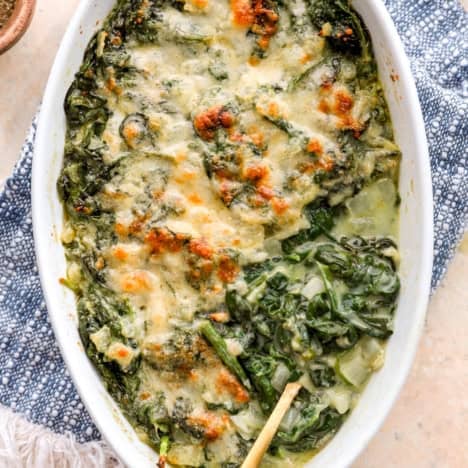
- Green Bean Casserole
- Crockpot Cranberry Sauce

How to Store, Freeze, and Reheat Turkey Gravy
Make ahead and refrigerate: Store cooled gravy in an airtight container in the fridge for up to 3 to 4 days.
Freeze: Transfer to a freezer-safe container and freeze for up to 3 months. Freezing it in smaller portions makes it easy to thaw only what you need.
Reheat: Thaw frozen gravy overnight in the fridge. Warm gently on the stovetop over low heat, whisking often. It will be thick after chilling, so add a splash of broth to restore the right consistency.
Turkey Gravy FAQs
Most traditional and store-bought turkey gravies are thickened with wheat flour, so they aren’t gluten-free. This recipe uses arrowroot or cornstarch instead. Just double-check that your broth is certified gluten-free.
Yes! Replace the drippings with an equal amount of turkey or chicken broth. The flavor will be a little lighter, so a sprig of fresh herbs while it simmers is a nice addition.
Lumps usually happen when you add the thickener directly to hot liquid or pour it in too quickly. Always make a slurry with cold water first and whisk constantly as you add it. If lumps still form, pour the gravy through a fine-mesh strainer.
Arrowroot can lose its thickening power if it boils for too long. Remove it from the heat as soon as it thickens.
Plan on about ⅓ cup per person. This recipe makes about 3½ cups, enough for roughly 10 people.
More Holiday Recipes You’ll Love

Turkey Gravy
Ingredients
- 1/2 cup turkey bastingliquid/drippings plus additional leftover
- 3 cups turkey or chicken broth
- 2 – 3 tablespoons arrowroot flour or cornstarch start with 1, then add more as needed, up to 3
- 2 tablespoons cold water
- salt and black pepper to taste
Instructions
- Once the turkey is cool enough to handle, carefully pour any juices from the cavity into the roasting pan. Transfer the turkey to a cutting board and tent with foil to keep warm.
- Pour the accumulated pan drippings through a fine-mesh strainer into a glass measuring cup or bowl. Allow the fat to rise to the top,then skim off and discard the excess fat. Reserve ½ cup of the turkey drippings for the gravy.
- In a medium saucepan, combine the reserved ½ cup turkey drippings and 3 cups turkey or chicken broth. Bring to a gentle simmer over medium heat.
- In a small bowl, whisk 2 tablespoons arrowroot flour or cornstarch with 2 tablespoons cold water until smooth. Slowly pour the mixture into the simmering gravy, whisking constantly to prevent lumps.
- Continue cooking, whisking frequently, until the gravy thickens, about 2–5 minutes if using cornstarch. If using arrowroot, cook just until thickened, avoiding a prolonged boil. If you prefer a thicker gravy, whisk the remaining tablespoon of arrowroot flour or cornstarch with a little cold water and gradually add it to the gravy until you reach your desired consistency.
- Season to taste with salt and black pepper. Serve warm!
Notes
- Not enough drippings? Simply make up the difference with additional turkey or chicken broth.
- For extra flavor: Scrape up any browned bits from the roasting pan and incorporate them into the gravy before straining.
- For a thinner gravy: Add additional broth, a little at a time, until you reach your desired consistency.
- Make ahead: Store cooled gravy in an airtight container in the refrigerator for up to 3–4 days. Reheat gently on the stovetop, adding a splash of broth as needed.



great gravy recipe